
Islamic Education
Husband and Wife Rights in Islam
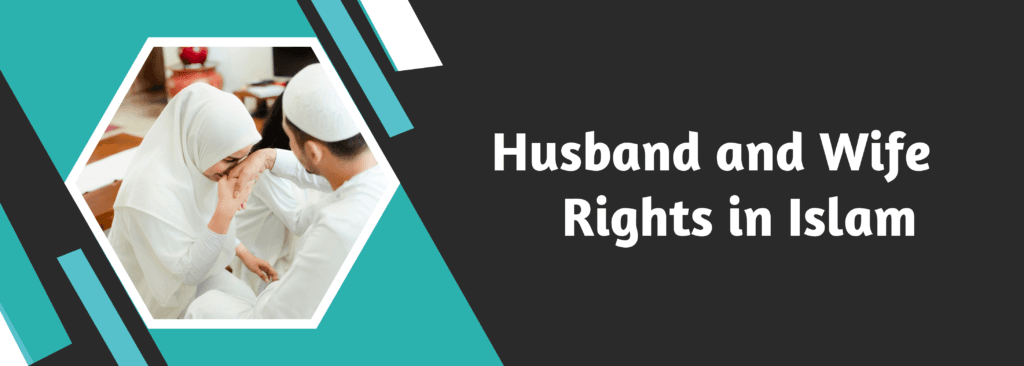
Introduction: More Than a Legal Bond Marriage in Islam is not just a contract, it is a sacred covenant described in the Quran as a mithaqan ghaleeza (a solemn, firm covenant). Every Muslim couple enters this relationship with the hope of building a life grounded in faith, mercy, and mutual respect.
Understanding the rights and responsibilities of both husband and wife is essential for a healthy Islamic marriage. This guide explores what the Quran and Sunnah say about spousal rights, duties, and the balance that makes marriage successful.
A wife's rights in Islam are clear and are treated as obligations on her husband, not optional courtesies. He is responsible for her financial maintenance, covering housing, food, and daily needs regardless of whether she has her own income, and he owes her a dowry at the time of marriage as a token of commitment that belongs to her alone. Beyond material provision, he is expected to treat her with genuine kindness and emotional care, never neglect or mistreat her, and support her right to pursue knowledge, including religious education, and to grow as an individual within the marriage.
A husband, in turn, is entitled to a level of respect and cooperation within the household, though Islamic scholarship is clear that any authority he holds applies only within what is lawful, never extending to sin or harm. He can expect his wife to help manage the home responsibly, to remain faithful, and to support the stability of the family, just as he is expected to remain faithful and protective of her in return. None of this is framed as one-sided control; it is framed as a partnership where each side owes the other real, tangible duties.
What holds these responsibilities together, more than any list of obligations, is the spirit the Quran describes marriage with, spouses created for one another so that they may find tranquility together, bound by affection and mercy. A marriage reduced to mere duty, without warmth or genuine care, misses the point entirely.
A few practical habits help couples live these teachings out day to day: making decisions together rather than unilaterally, learning about Islamic marital responsibilities as a couple rather than assuming shared understanding, resolving disagreements privately and with patience instead of contempt, and expressing gratitude for each other regularly rather than only noticing what is missing. When serious problems arise, seeking guidance from a knowledgeable, trustworthy source early on tends to prevent much larger rifts later.
Ultimately, Islam does not present marriage as a contest over rights to be claimed, but as a shared responsibility meant to help both spouses grow, individually and together, and to build a home defined by mercy rather than tension.