
Islamic Education
Best Online Quran Classes for Kids: A Complete Parent Guide
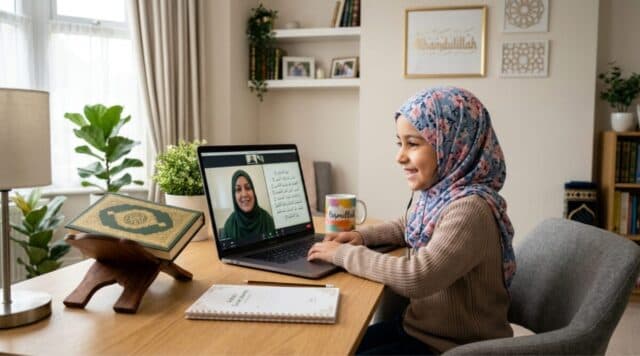
Every parent who holds their faith close wants the same thing for their child a genuine connection to the Quran. Not just recitation from memory, but a real understanding that grows with them. The challenge today is not finding the will; it is finding the right path. With traditional mosque schedules, distance, and busy family routines, many parents turn to online Quran classes.
This guide helps parents choose the right program, understand what makes a great online Quran teacher, and set their child up for long-term success. The first thing worth understanding is why online classes work so well for children in the first place. A one-on-one video lesson removes the pressure of reciting in front of a room full of peers, lets a teacher move at the exact pace a child needs, and turns Quran time into something that happens in a familiar, comfortable space rather than a rushed trip across town.
When comparing academies, a few things matter more than flashy marketing. Ask whether teachers hold a real Ijazah or formal Tajweed certification, not just years of informal experience. Ask whether the curriculum is structured, moving a child from Noorani Qaida through fluent reading, then into Tajweed, memorization, and eventually translation, or whether lessons feel improvised week to week. A trustworthy academy will always offer a free trial class so you and your child can meet the teacher before committing, and it will be transparent about how progress is tracked and shared with you.
Most children's programs follow a natural sequence. They begin with the Arabic alphabet and pronunciation through Noorani Qaida, move into reading fluency, then layer in the rules of Tajweed once reading feels comfortable. Some children continue on to Hifz, the memorization of the Quran, which usually unfolds over several years through short daily sessions rather than long, exhausting ones. Whatever stage your child is at, the right teacher will notice quickly and adjust the plan around them instead of forcing them into a fixed script.
Parents play a bigger role in this than they often realize. A quiet, consistent spot for lessons, a bit of encouragement after each class, and a genuine interest in what your child is learning all reinforce what the teacher is building. Try to avoid comparing your child's pace to a sibling's or a cousin's; every child absorbs the Quran differently, and steady progress at any speed is still progress. Avoid, too, the temptation to judge an academy purely on price, since the cheapest option rarely comes with the accountability and structure that real progress requires.
Start with a trial class, watch how your child responds to the teacher, and give the process time. With the right guidance and a little patience at home, online Quran classes can give your child something that lasts far longer than any single lesson: a lifelong, confident relationship with the Quran.