
Islamic Education
Short Surahs for Kids to Memorize
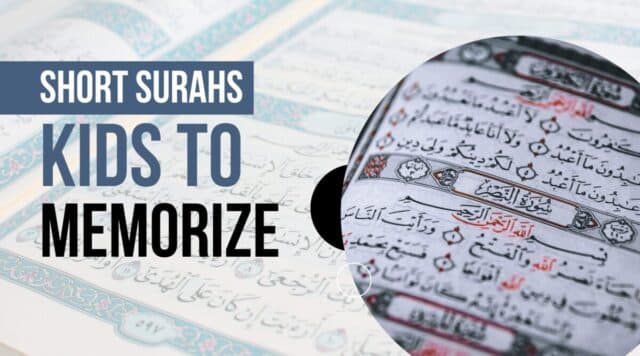
Introduction There is something quietly beautiful about hearing a child recite Quran for the first time. It might not be perfect. The pronunciation might be slightly off, they might pause in the wrong place, or lose their thread halfway through and look up at you for help. But the fact that it is happening that a small heart is learning the words of Allah is what matters most.
Short Surahs like Al-Fatiha, Al-Ikhlas, Al-Falaq, An-Nas, and Al-Kawthar are perfect for children because they are easy to memorize and carry deep meaning. Starting small does more than make memorization manageable. When a child finishes an entire Surah, even a three or four line one, they feel a genuine sense of accomplishment, and that feeling is what keeps them coming back for more. Many of these short chapters are also recited in the five daily prayers, so a child gets to use what they memorized almost immediately, which makes the whole process feel real and worthwhile rather than abstract.
Al-Fatiha is usually the natural starting point, since it is recited in every unit of prayer and its rhythm becomes familiar quickly. Al-Ikhlas, with just four short verses, introduces a simple and repeating pattern that young memories latch onto easily. Al-Falaq and An-Nas are often taught together, since they share a similar structure and both carry a comforting message about seeking protection, something children can be gently reminded of at bedtime. Al-Kawthar, at only three verses, gives an early confidence boost through how quickly it can be completed, while Al-Asr, though short, carries a message worth revisiting again as a child grows older. Ad-Duha, a little longer at eleven verses, has a gentle, flowing rhythm and a reassuring message that many children respond to warmly.
Keeping sessions short, around ten to fifteen minutes, works far better than long sittings that end in frustration. Turning practice into a light game, such as reciting a verse with a small intentional mistake and letting your child catch it, keeps things playful. When a verse is forgotten, respond with patience rather than correction delivered sharply, and let encouragement, not rewards or pressure, be the main motivator. If pronunciation and Tajweed feel outside your own comfort zone, a qualified teacher can guide your child properly without replacing your role as the one cheering them on at home.
What matters most in these early years is not how fast a child memorizes, but how they feel about the Quran while they are doing it. A warm, encouraging start with these short Surahs lays the foundation for a relationship with the Quran that can last a lifetime.