
Islamic Education
The Role of a Good Teacher in Shaping a Student's Faith
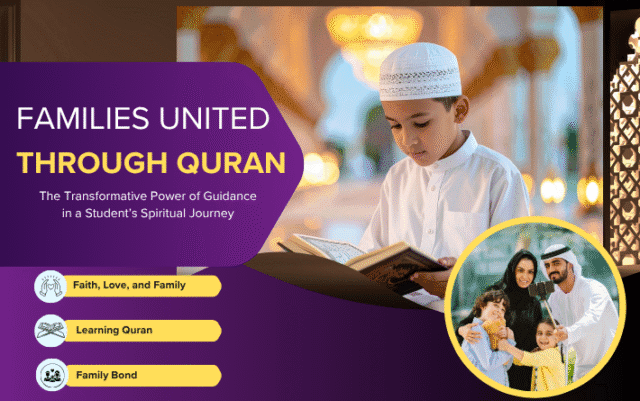
Introduction Behind every knowledgeable and confident student stands a teacher — not just one who teaches lessons, but one who touches hearts and builds faith. In Islam, teachers hold an honored status because they guide minds toward light, wisdom, and truth. At Kalamullah Online Quran Academy, we believe that a good teacher is more than an instructor.
Discover how the right teacher can shape not just a student's recitation, but their entire relationship with the Quran and their faith.
A teacher's influence rarely comes from lecturing about good character; it comes from students quietly absorbing how that teacher actually behaves, session after session. Patience during a difficult lesson, kindness after a mistake, and humility when explaining something for the third time all teach far more than any explicit instruction about manners ever could.
The best Quran teaching also reaches beyond memorization and correct recitation into how a student actually lives. A teacher who connects a verse to something happening in a student's everyday life helps that student internalize the lesson rather than simply store it, building conscience and integrity alongside recitation skill.
Encouragement carries more weight than it might seem. A student who is met with patience and specific, genuine praise after a hard lesson tends to develop real persistence, learning along the way that consistent effort itself has value, independent of how quickly they progress.
This kind of teaching depends on a learning environment where mistakes are treated as a normal part of progress rather than something to feel embarrassed about, and small rituals, like opening and closing a session with a short dua, reinforce the sense that the lesson itself is a form of worship, not merely an academic exercise.
A thoughtful teacher also helps students navigate a world full of digital distraction by consistently tying lessons back to real situations a student actually faces, framing Islam as something lived throughout the week rather than confined to a single lesson. The relationships built this way often outlast the formal lessons themselves, with many students continuing to seek guidance from a teacher who shaped their early relationship with the Quran long after regular classes have ended.
Multiply that influence across every student a dedicated teacher works with over the years, and it becomes clear how much one person's care and consistency can shape not just individuals, but families and communities, for generations to come.